My work investigates new directions in contemporary printmaking through the use of digitally designed and 3D-printed matrices. By combining computational design with traditional hand-printing methods, I develop prints that merge technological precision with the tactile presence of ink on paper. This approach places my practice at the forefront of post-digital printmaking, expanding the language of relief engraving in the 21st century.
Key Principles
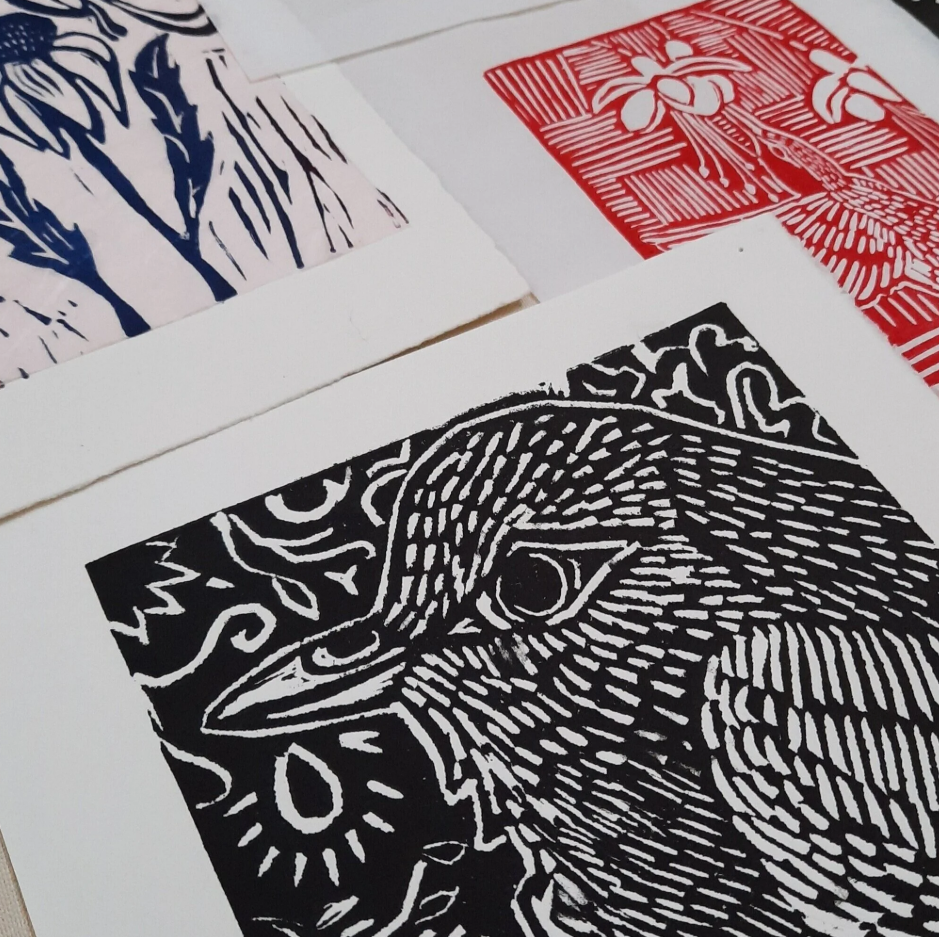
Tactility Printmaking is not only visual but also physical. The interaction between ink, pressure, and paper creates a surface rich in texture, depth, and presence.
Precision Digital design enables the control of complex geometries and fine details, opening new possibilities in the structure and form of the printing matrix.
Hand-Pulled Each print is produced manually. This process gives every work its own subtle variations and preserves the living quality that defines original printmaking.
Prints Alive
A glimpse into the tactile world where 3D printing meets hand-crafted gravures.
Digital Design Complex geometries and topographies are created digitally with a high level of precision.
3D Printed Matrix The design becomes a physical printing plate through additive manufacturing.
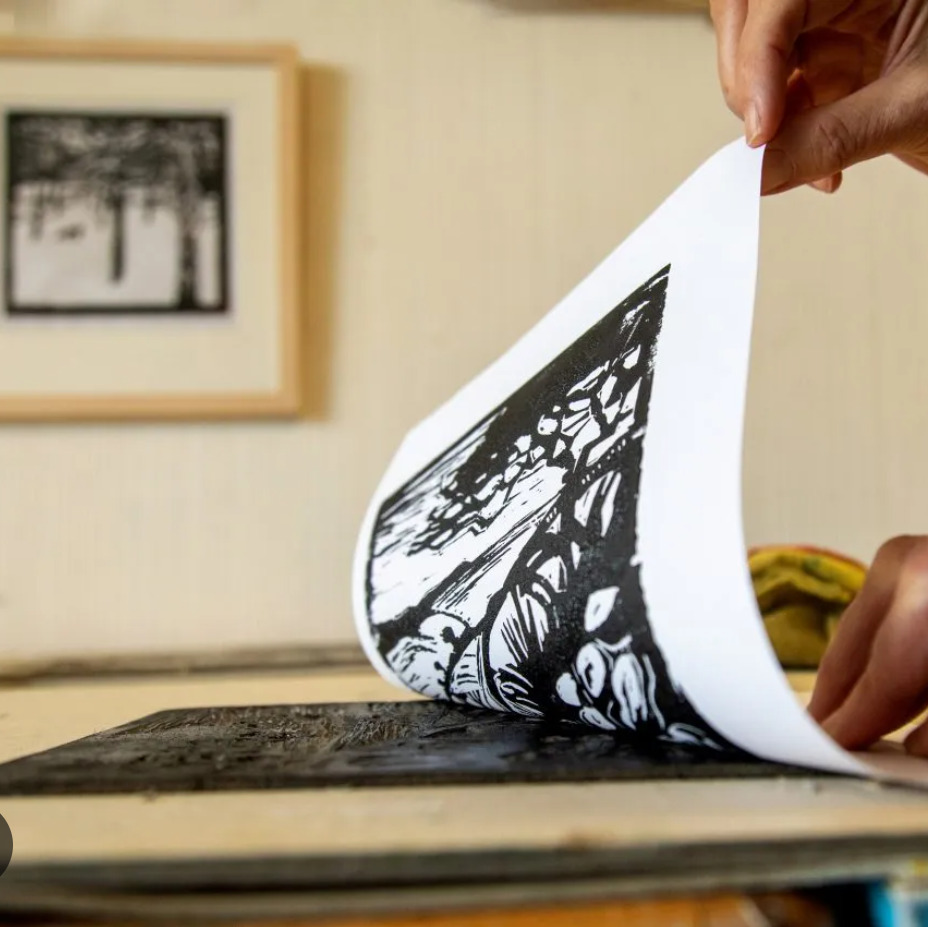
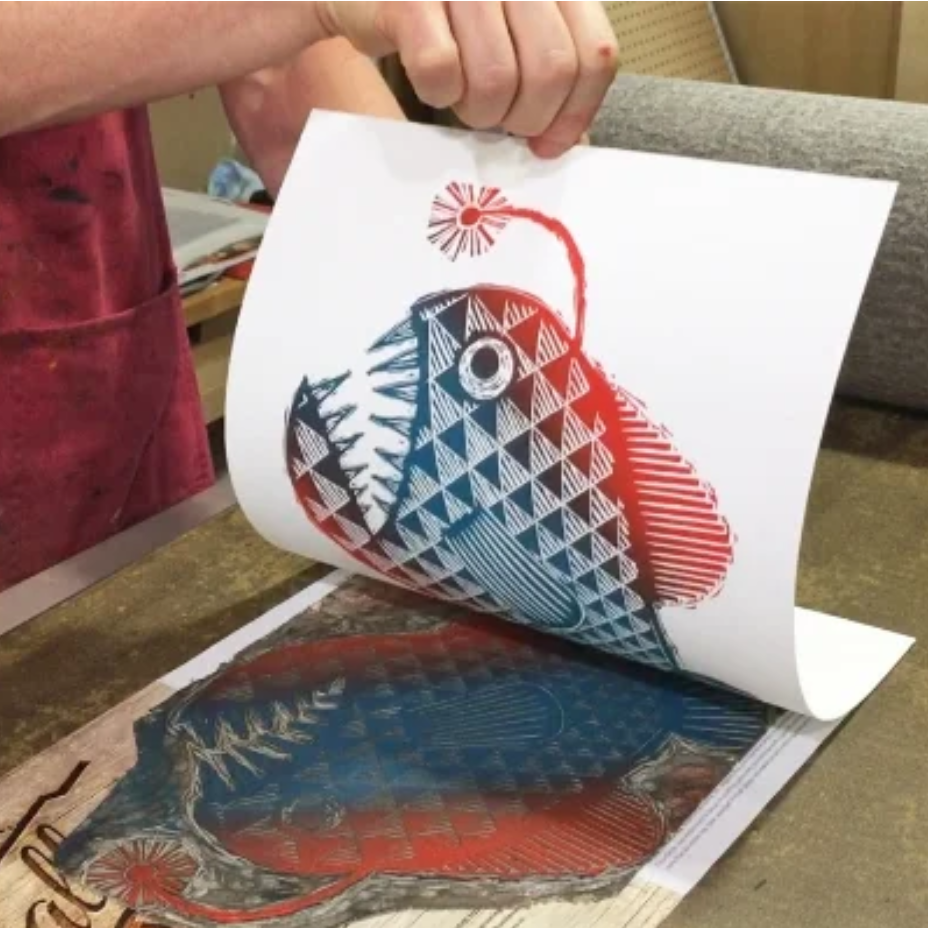
Hand-Pulled Printing Each print is manually inked and printed, preserving the tactile qualities of traditional relief printmaking.
Limited Edition Every work is produced in a carefully controlled edition and individually inspected.
A Contemporary Printmaking Practice
The Image
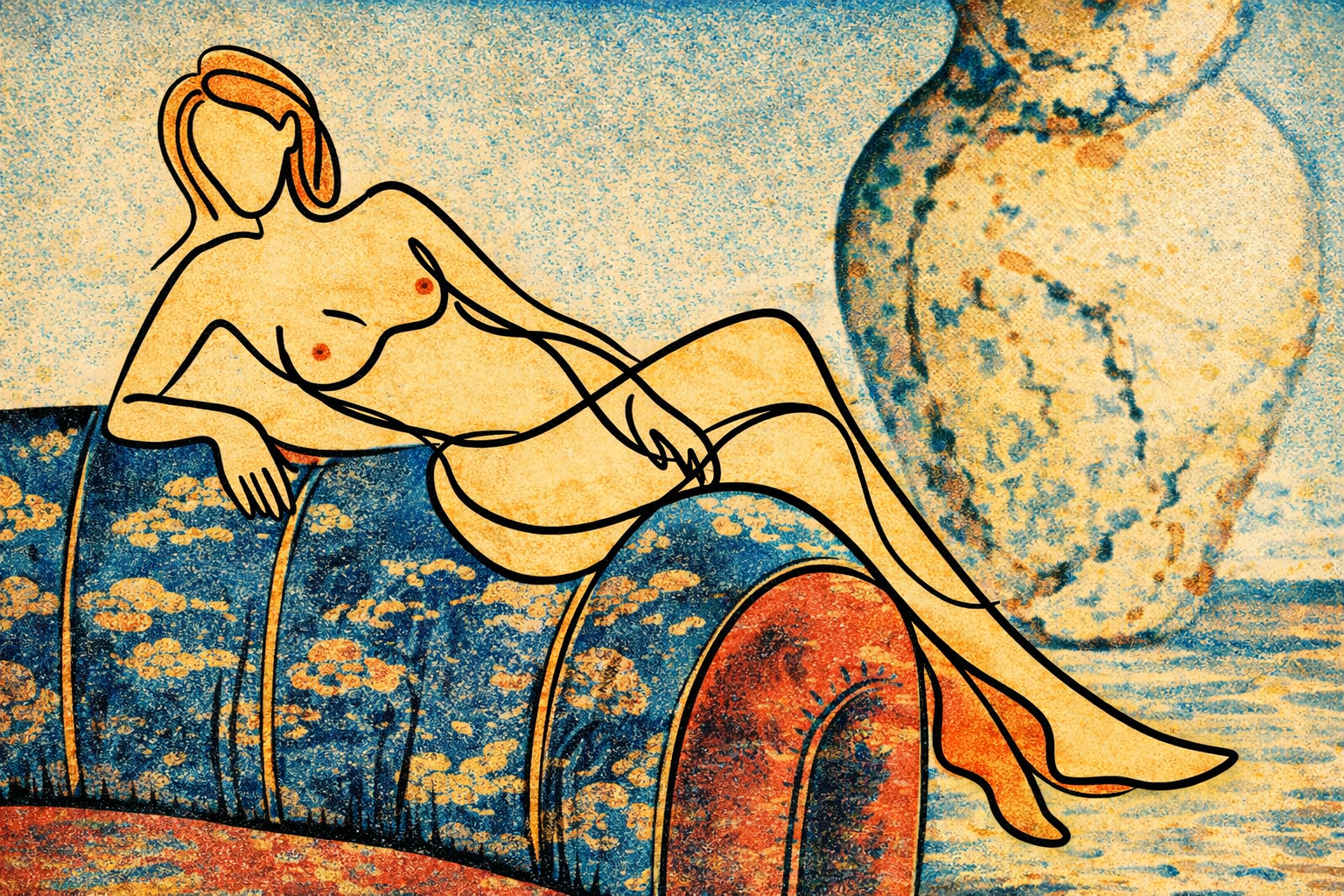
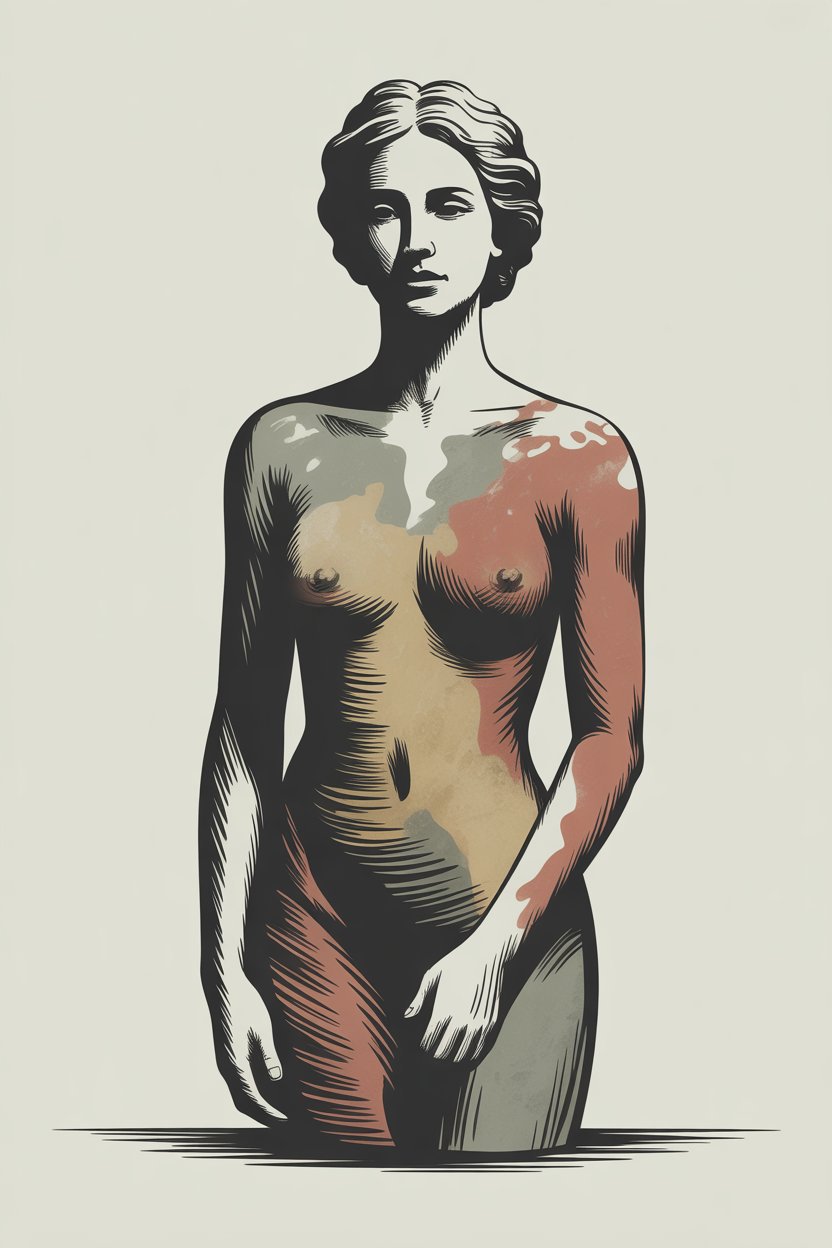
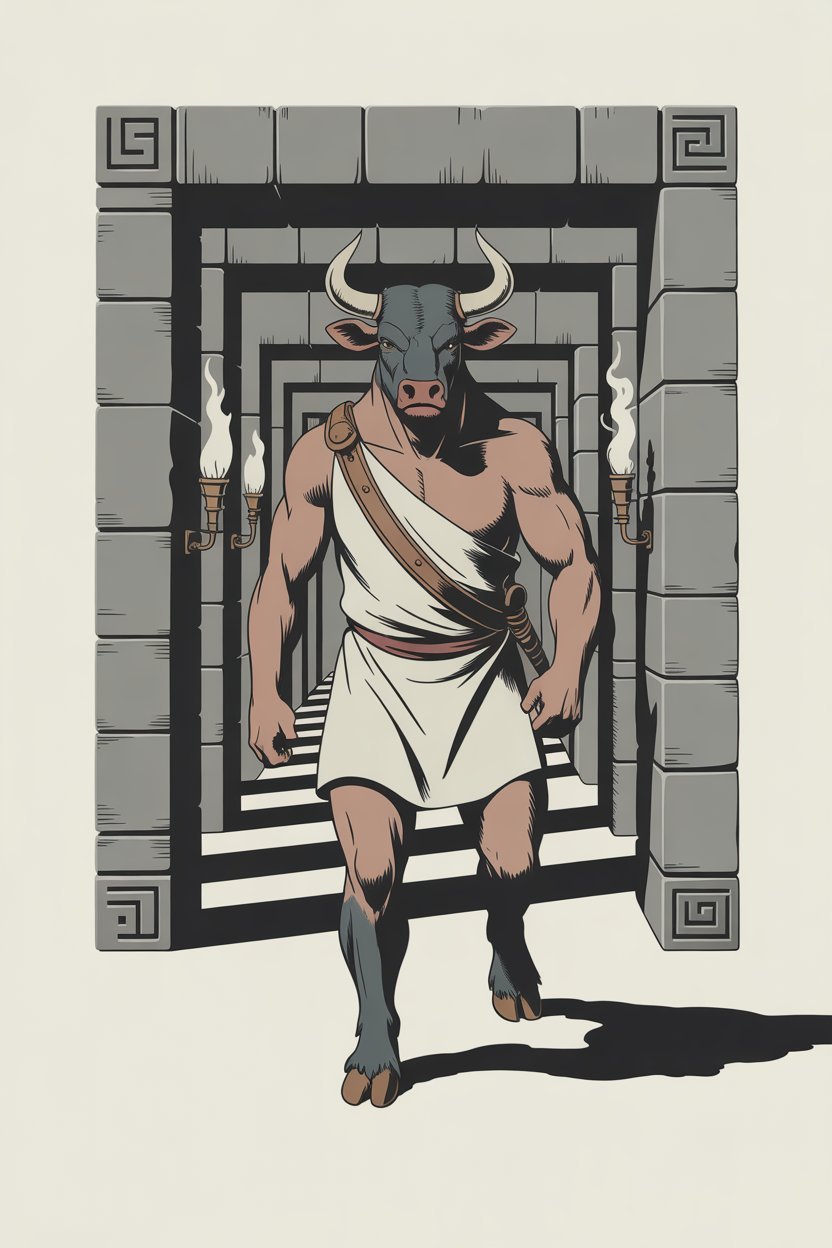
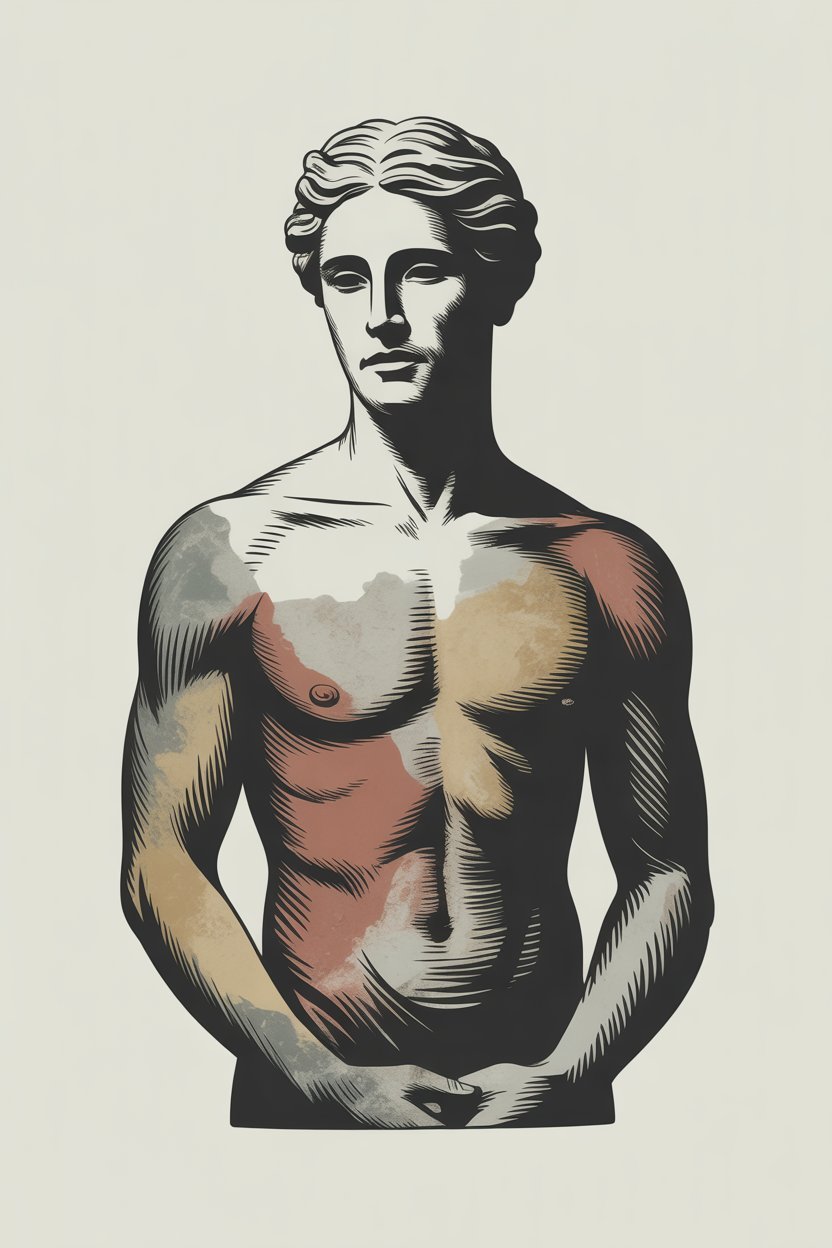
Every piece begins as a composed visual structure—developed through photography or digital construction—and refined into a language of contrast, reduction, and form. The image is not prepared as a reproduction, but as a print-specific composition, where line and surface carry the entire visual weight.
The Matrix
The image is translated into a digitally fabricated matrix, produced through 3D printing. This matrix functions as a contemporary engraving surface—where depth, relief, and texture are designed with precision, yet intended for tactile transfer.
It is the modern counterpart to the carved woodblock or engraved plate: not simulated, but physically realized.
The Impression
Each print is inked and printed by hand on archival fine art paper.
The act of printing introduces a controlled variability—subtle shifts in pressure, ink density, and surface interaction—ensuring that every impression carries its own presence. This is where the work moves beyond design and becomes material.